Technical Specifications and Global Deployment of HICLOVER Thermal Waste Destruction Systems
The safe and efficient disposal of pathological, medical, and general solid waste relies on engineered thermal destruction systems operating at precise temperature benchmarks. Modern waste incinerators are designed to meet stringent international standards, with secondary chamber temperatures exceeding 1100°C to ensure complete pyrolysis and oxidation of complex hydrocarbons. Achieving compliance, particularly regarding medical incinerator operating temperature standards set by bodies like the WHO and within EU emission frameworks, requires robust engineering and reliable combustion control. Systems must guarantee high-temperature retention for a minimum of two seconds to effectively destroy pathogens and complex organic compounds, a fundamental principle for applications ranging from urban hospitals to remote field operations.
Core Engineering Principles and System Configurations
The operational efficacy of any thermal destruction unit hinges on its combustion design. A dual-chamber configuration is considered standard for handling hazardous and medical waste. The primary chamber facilitates gasification through controlled oxygen-deficient burning, while the secondary chamber introduces excess air to combust resulting pyrolytic gases at elevated temperatures. This two-stage process is critical for minimizing particulate matter and suppressing the formation of dioxins and furans. Emission control is further managed through post-combustion gas treatment; the choice between a dry scrubber system, utilizing chemical reagents like hydrated lime, and a wet scrubber, which employs a water-based chemical spray, depends on local regulatory limits, water availability, and waste stream composition. Engineers evaluating systems must prioritize designs that ensure consistent temperature profiles and residence times, as these parameters directly correlate with destruction removal efficiency (DRE) rates.
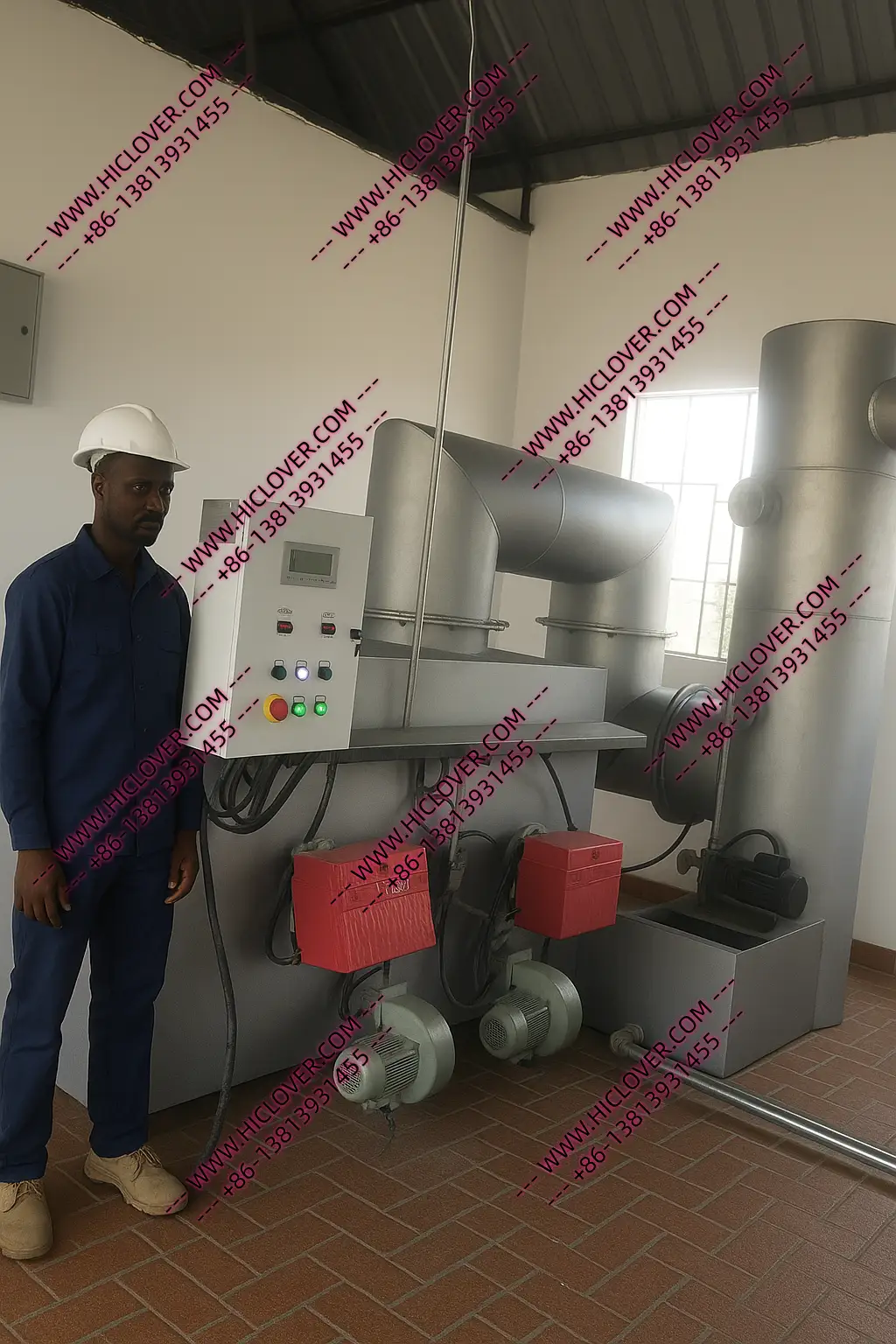
Control philosophy represents a significant differentiator in system capability and operational safety. Modern installations leverage Programmable Logic Controller (PLC) automation for precise management of burn cycles, temperature ramping, and fan speeds, reducing operator intervention and potential for error. Manual control systems, while sometimes lower in initial capital expenditure, demand more rigorous operational discipline. The integration of digital automation aligns with broader industrial trends, enhancing data logging for regulatory reporting and enabling remote monitoring—a feature increasingly valuable for managing equipment in decentralized or challenging environments. For detailed technical specifications on automated systems, engineering professionals can reference resources available at HICLOVER.
Fixed Facility versus Mobile Modular Deployment
The selection between a permanent, fixed installation and a containerized mobile unit is dictated by project scope, site logistics, and long-term waste management strategy. Fixed incinerators are typically engineered for high-volume, continuous duty at centralized facilities like large hospitals or municipal waste hubs. In contrast, mobile incinerator design principles emphasize rapid deployment, plug-and-play functionality, and suitability for temporary or remote sites. These containerized systems are pre-assembled and tested within a shipping container frame, facilitating transport to locations with limited infrastructure, such as disaster response zones, humanitarian camps, or remote mining and oil exploration camps. This mobility supports decentralized waste management strategies, a critical component for global infectious disease preparedness and operations in crisis zones where establishing permanent infrastructure is impractical.
The inherent flexibility of modular systems also contributes to supply chain resilience. A factory-integrated containerized unit arrives on-site as a complete operational package, minimizing complex local assembly and commissioning timelines. This design approach directly addresses challenges in regions requiring urgent capacity, evidenced by projects for a Malawi hospital incinerator or units supplied by Equatorial Guinea waste incinerator manufacturers. Investigative searches for deployment case studies often use phrases like containerized+mobile+medical+waste+incinerator+specifications.
Commercial and Transactional Considerations for Global Procurement
For technical professionals overseeing procurement, the evaluation extends beyond technical specs to encompass commercial viability and lifecycle costs. A direct engagement with an established incinerator factory offers distinct advantages over intermediaries or trading companies. Factory-direct supply typically ensures better control over manufacturing quality, material traceability, and access to customized engineering support. Manufacturers like HICLOVER, with over 16 years of focused engineering experience, provide customizable chamber volume options and flexibility in auxiliary system selection, including multi-fuel capabilities (diesel, LPG, natural gas) to accommodate local fuel availability.
This direct manufacturing capability supports a stable supply chain for critical components, from Italian-brand burners to specific filter media, which is essential for maintaining operational uptime globally. Furthermore, a manufacturer with proven global export capability is more likely to have experience navigating the complex logistics, customs, and documentation required for projects in diverse markets, including those sourcing an incinerator from Sudan incinerator china supply chains. Transactional transparency is another key factor; clear communication regarding pet incinerator prices or commercial incinerator quotations should be based on defined specifications, with factory audits providing assurance of production scale and quality control protocols. The growing pressure for ESG compliance and carbon emission reduction further necessitates partners who can advise on system efficiency and potential integration of advanced heat recovery systems to improve overall site energy balance.
Ultimately, the specification and procurement of thermal waste destruction technology demand a holistic analysis of technical standards, operational context, and vendor capability. The convergence of stringent environmental regulations, the need for rapid deployment in emergency scenarios, and the drive for operational efficiency through automation defines the current market for advanced waste incinerators. Selecting a system engineered for durability, compliance, and adaptability is a fundamental decision for ensuring long-term, responsible waste management across industrial, medical, and municipal sectors worldwide.